Amazing Aldi Pet Events
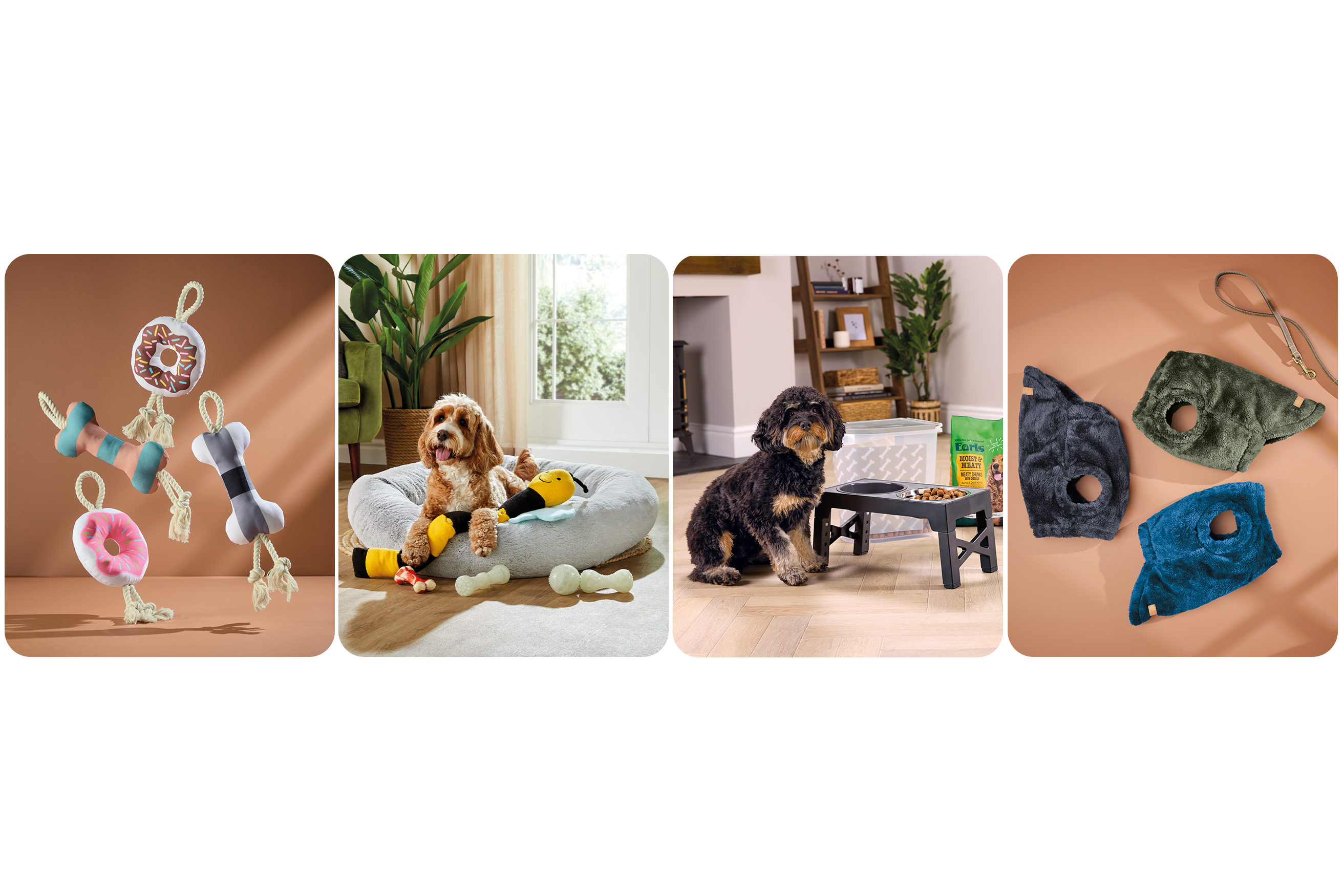
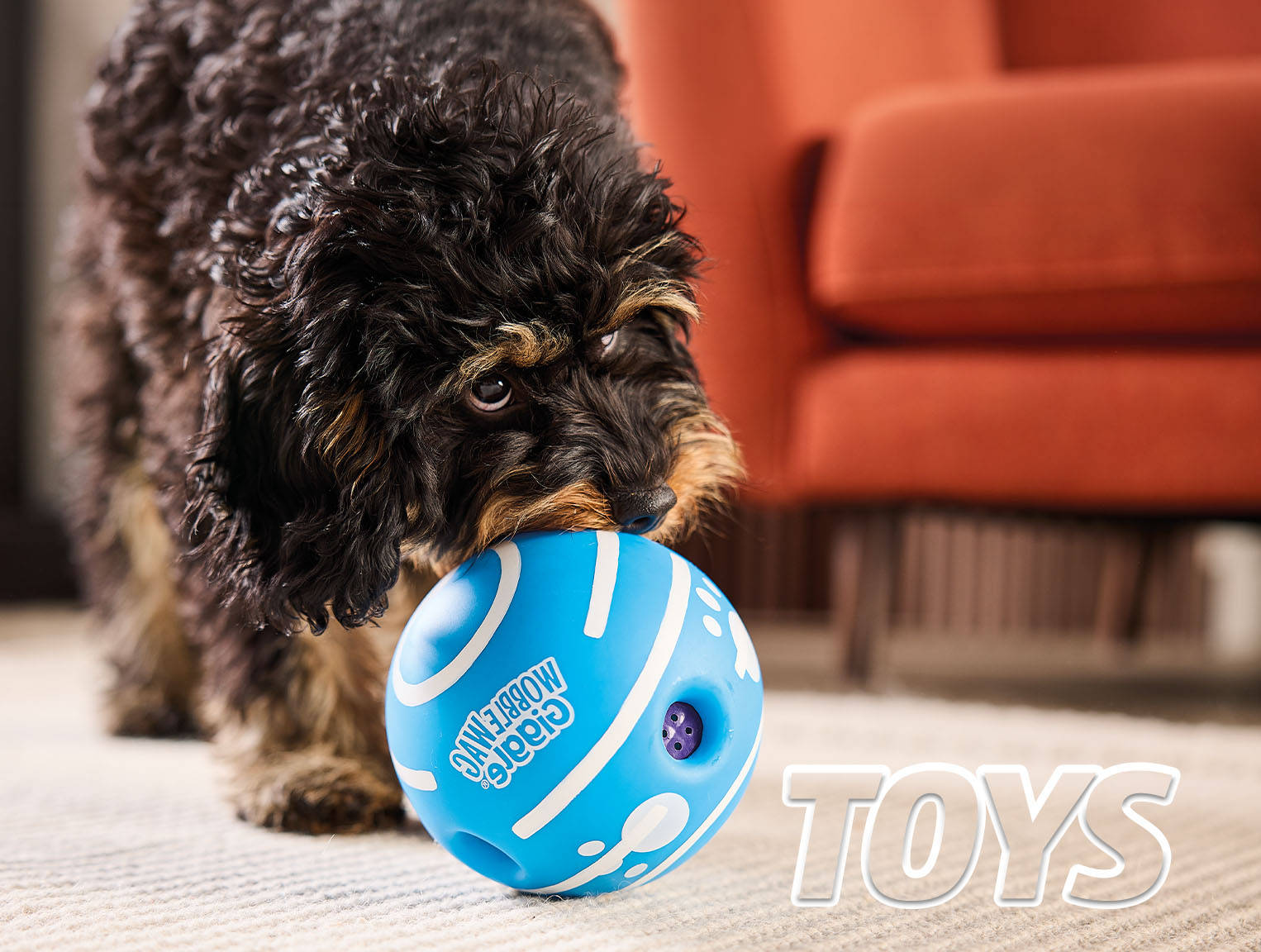
We know pets are part of the family. That’s why we offer great value on pet food, treats, and accessories that keep tails wagging without wagging your wallet. From tasty treats to pawfect specialbuys, our pet range is all about quality products at affordable prices.
How ALDI Can Help

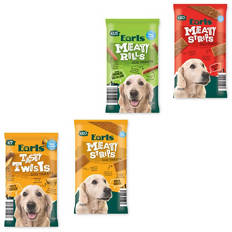

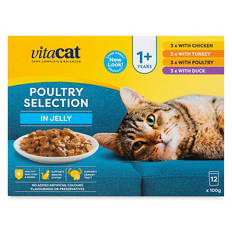
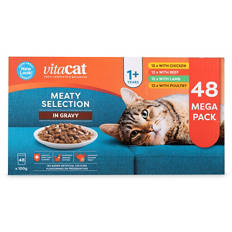
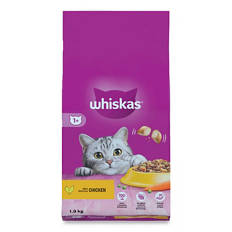
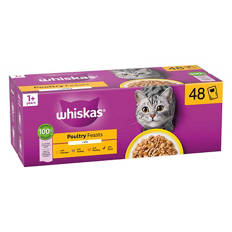
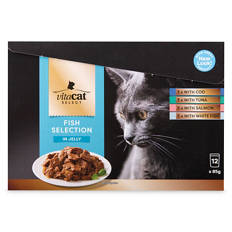
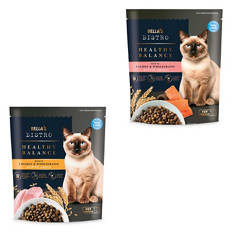
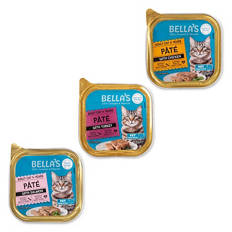
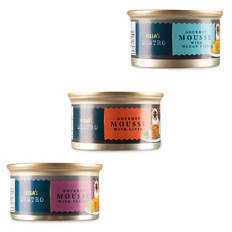
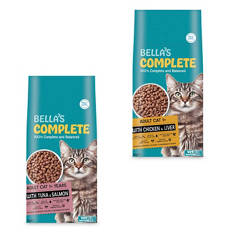
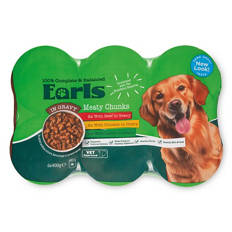
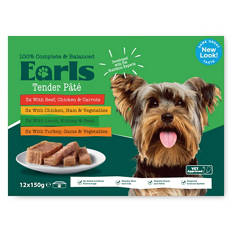
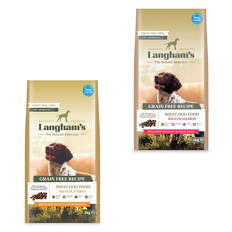
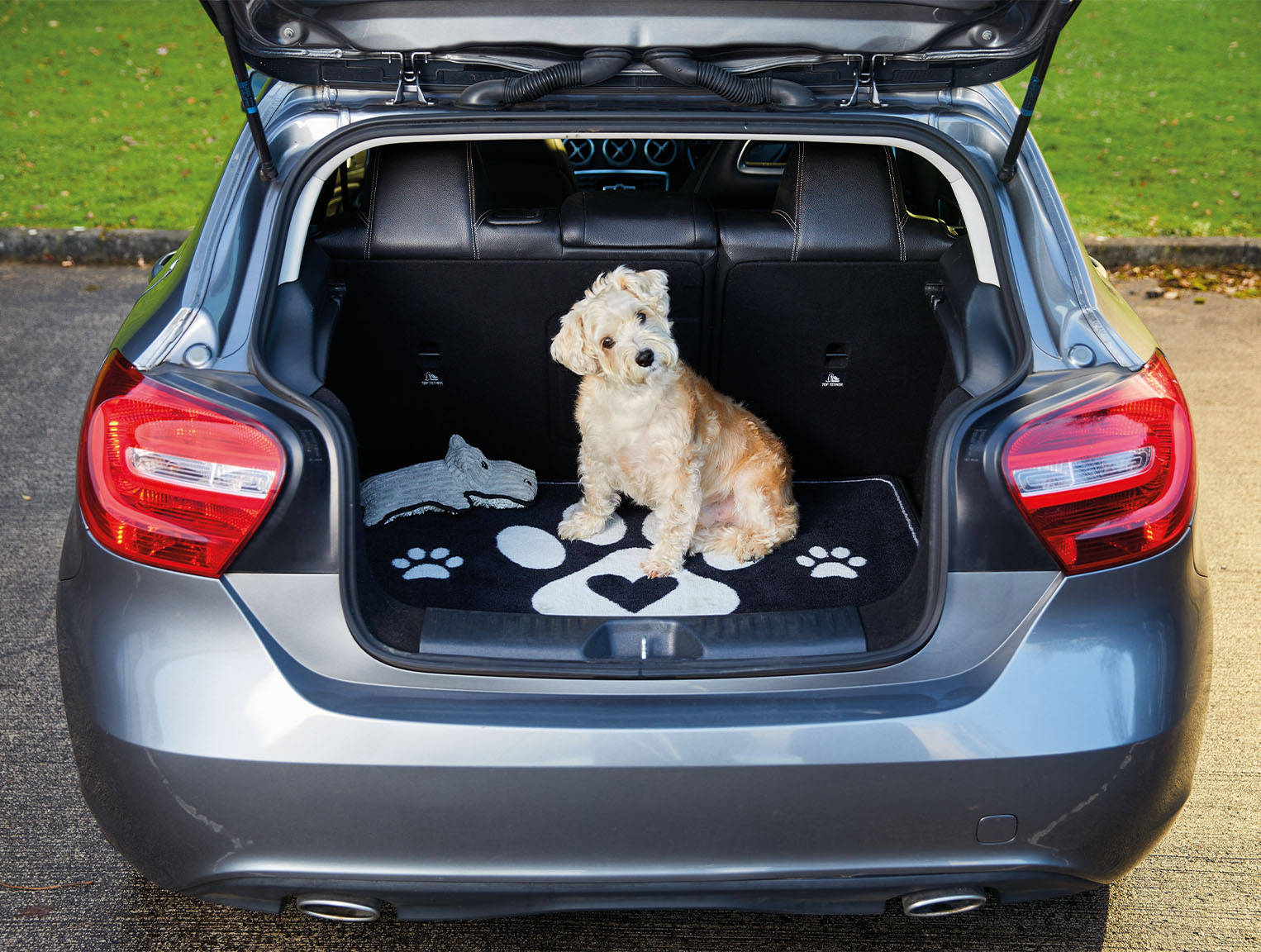
Tips for travelling with your pets.
- Plan Ahead: Make sure you have all the essentials—food, water, and your pet’s favourite treats—packed and ready to go.
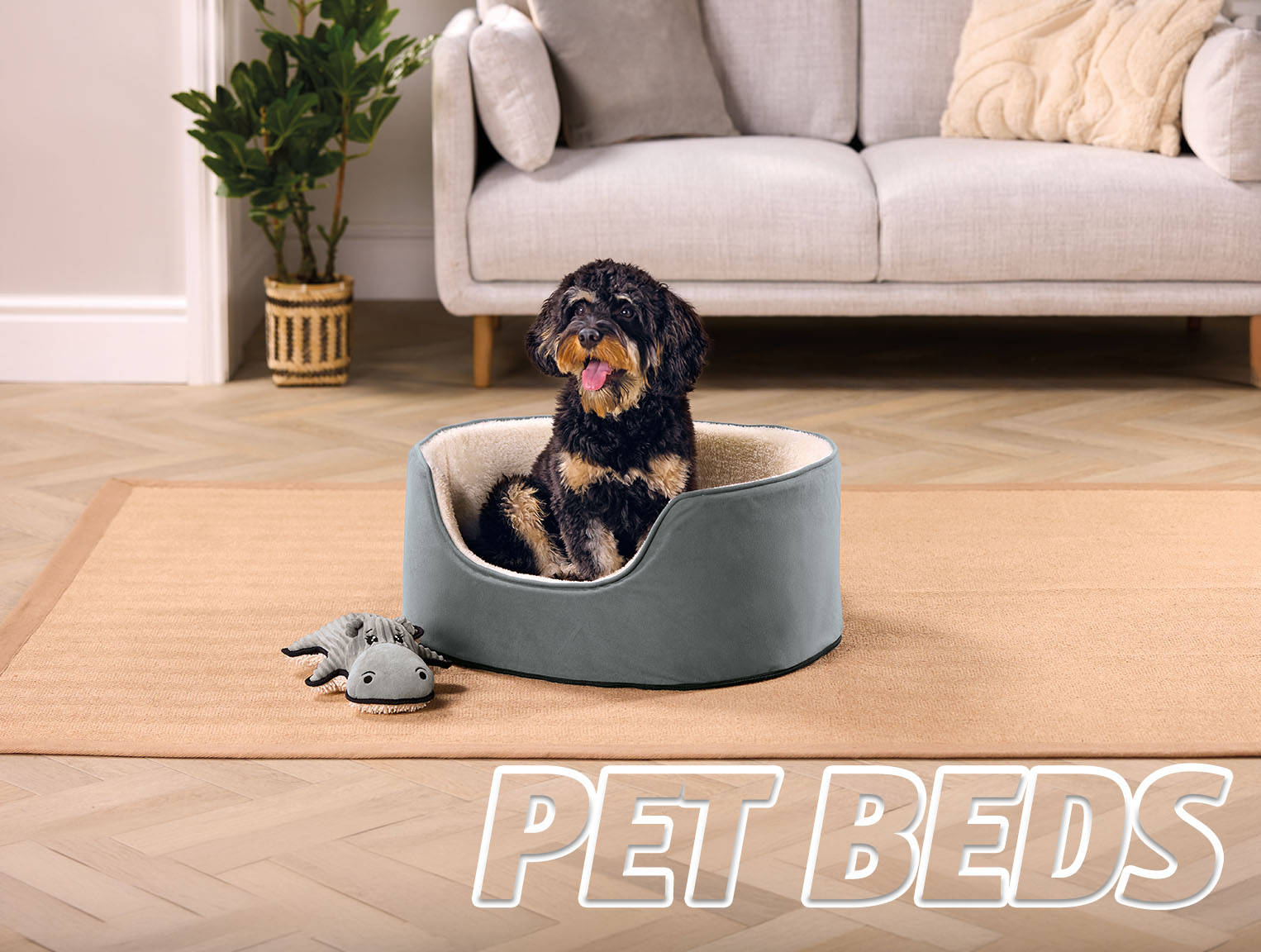
- Stay Comfortable: Bring along a cosy bed or blanket so your pet feels at home, no matter where you are.
- Take Breaks: Just like us, pets need breaks. Stop regularly for walks, fresh air, and bathroom breaks.
- Keep Them Safe: Always use a secure carrier or harness when travelling in the car—it’s better for you and your furry friend.
- Stay Calm: Keep your pet relaxed by speaking softly and offering plenty of love and reassurance.
With these simple tips, you and your pet can enjoy the journey as much as the destination!

Your pet deserves some TLC too
- Regular Brushing: Keep your pet’s coat shiny and tangle-free by brushing regularly. It’s great for their skin and a nice bonding time too.
- Bath Time: Use gentle, pet-friendly shampoos and don’t forget to rinse well. A clean pet is a happy pet!
- Nail Care: Trim those nails carefully to keep your pet comfy and prevent scratches around the house.
- Ear Check: Give their ears a quick look now and then and clean gently if needed to avoid build-up.
- Dental Health: Don’t forget to brush their teeth or offer dental treats to keep their smile bright. Check our in-store range of dental treats to help support stronger, cleaner teeth!
A little grooming goes a long way in keeping your furry friend healthy and happy!
Pet FAQs
A brief guide to selecting the right pet bed for comfort, support, size, and easy cleaning:
1) Comfort & support
- Consider your pet’s needs
- Older pets / joint pain: look for orthopedic or memory-foam style beds with supportive, thicker filling.
- Normal mobility: a medium-thickness foam or cushioned bed is usually enough.
- Think about how your pet sleeps
- Curlers: bolster-style beds (raised sides) help them feel secure.
- Stretchers/sprawlers: choose a flatter, wider bed so they don’t feel cramped.
2) Choose the right size
- Measure your pet from nose to base of tail (or use their current bed as a reference).
- Pick a bed where your pet can lie down fully without hanging off.
- As a rule of thumb:
- Small curlers: beds that match their “curl length”
- Stretchers: beds that match their full length and allow a bit of extra space
3) Look for supportive materials & cover design
- Check thickness: thicker beds typically provide more cushioning (especially on hard floors).
- Make sure the base is sturdy so it doesn’t collapse and lose support.
- If your pet likes to dig or knead, consider a more durable outer fabric.
4) Easy cleaning (very important)
- Prefer beds with a removable, washable cover (ideally machine washable).
- Choose materials that resist odors and are easy to wipe if there’s an accident.
- If the bed has a separate cover, check whether you can wash it without shrinking/warping.
5) Practical extras
- If your pet sheds, look for wash-friendly covers and fabrics that are easier to remove hair from.
- If you’re placing the bed on a cold/hard floor, consider an insulated or foam-based option.
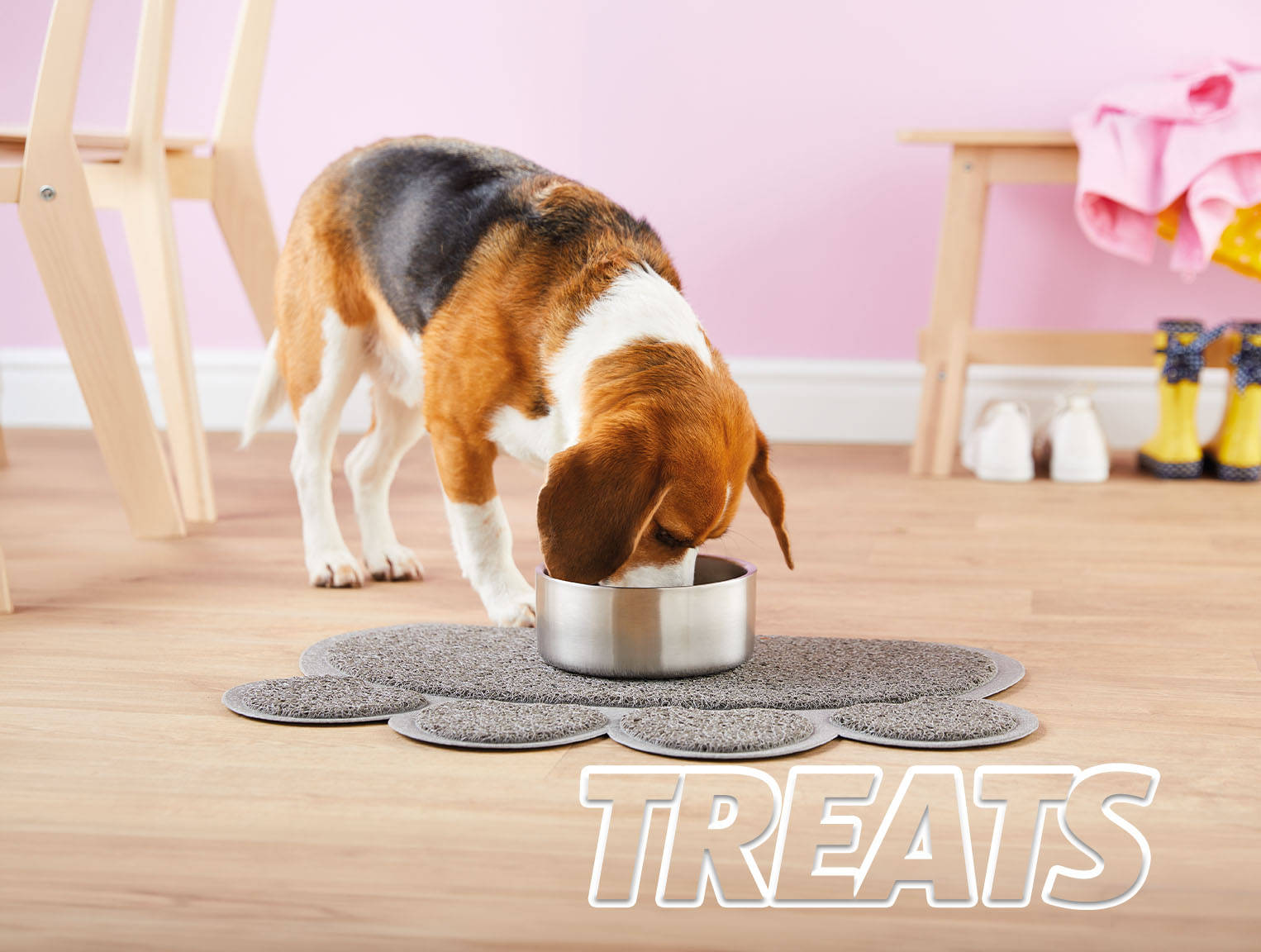
A brief guide to choosing pet food by species, age, health needs & ingredient quality
1) Start with the basics: species & life stage
- Species: cat vs dog foods differ significantly (e.g., cats need specific nutrients that dogs don’t).
- Age/life stage: choose the right formula for:
- Puppy/kitten (higher energy & nutrients)
- Adult (balanced maintenance)
- Senior (often easier digestion, joint support, fewer calories)
2) Match to health needs
Look for foods that are appropriate for your pet’s situation:
- Weight management: for overweight pets—usually lower calories and controlled fat.
- Sensitive stomach / digestion: gentler ingredients, often with limited components and prebiotics.
- Skin & coat: look for sources of omega-3/omega-6 (e.g., fish oil or certain plant oils).
- Allergies: consider limited-ingredient diets and avoid known triggers.
- Urinary / kidney concerns: these require specialized formulations—best chosen with a vet’s guidance.
If your pet has a medical condition, it’s safest to pick a diet with veterinary advice.
3) Check ingredient quality (how to read the label)
- Primary protein first: ideally the main ingredient is a clearly named animal protein (e.g., chicken, turkey, salmon) rather than vague terms.
- Avoid “fillers” when possible: be cautious with lots of low-quality by-products or excessive grain-only bases (though some grains are fine for many pets).
- Look for healthy fats & fibers: helps energy, digestion, and coat health.
- Avoid artificial additives where you can (artificial colors/flavors/preservatives).
4) Choose the right type of food
- Dry (kibble): convenient and often helps dental health.
- Wet/canned: higher moisture—great for hydration and picky eaters.
- Treats: should be small and not replace the balanced diet.
5) Transition gradually
When changing foods:
- Mix new into old over 7–10 days (start with a small amount of the new food) to reduce stomach upset.
6) Watch how your pet responds
In the first few weeks, check:
- Stool consistency, vomiting/itching
- Energy level
- Weight changes
- Coat condition If problems occur, switch more carefully or consult a vet.