
Fruit
All Fruit Items
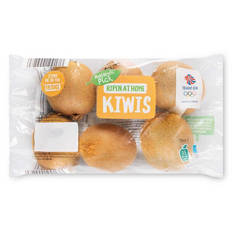
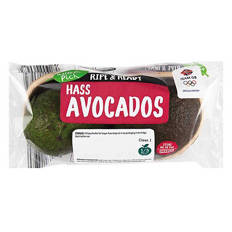
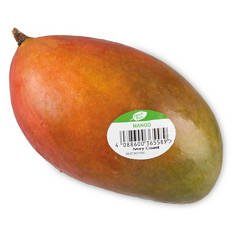
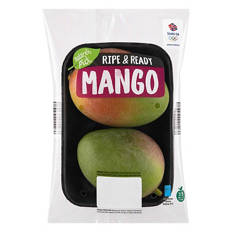
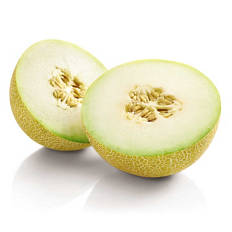
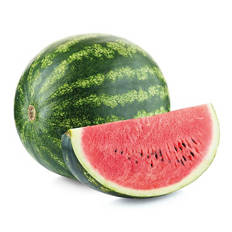
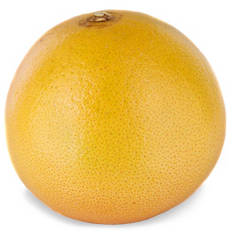
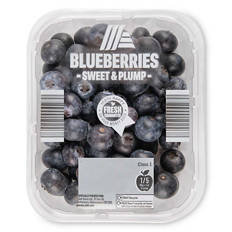
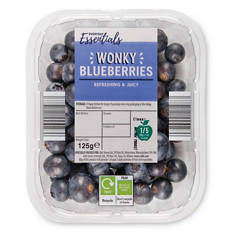
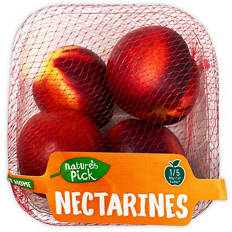
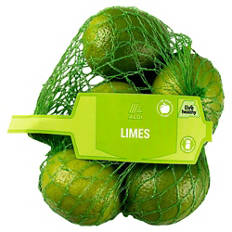


Frequently Asked Questions about our Fresh Fruit Range
Fresh Fruit Selection Tips (Ripeness, Taste, Seasonal Availability)
1) Check ripeness (quick in-store cues)
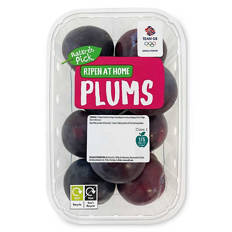
- Berries & stone fruit (e.g., peaches, plums): choose ones that feel firm but give slightly (avoid hard, unripe fruit or mushy/oozy ones).
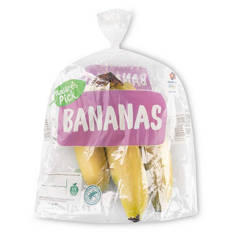
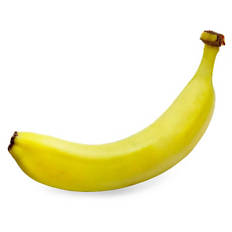
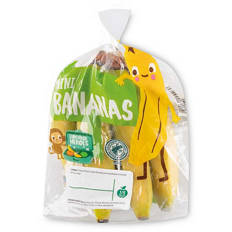
- Bananas: look for the skin colour you want now—more yellow = ready to eat; more green = will ripen at home.
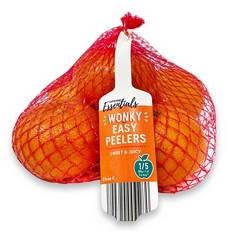
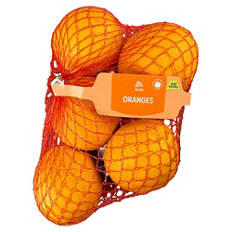
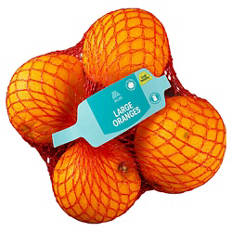
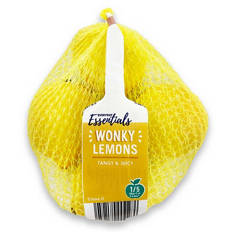
- Citrus (oranges, mandarins): heavier fruit often means more juice; avoid very dry-looking or overly soft pieces.
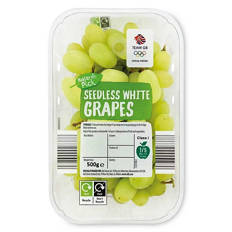
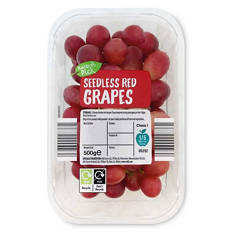
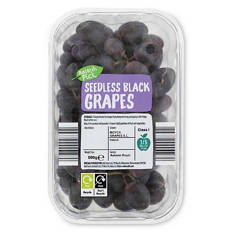
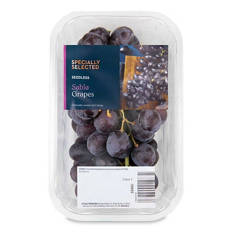
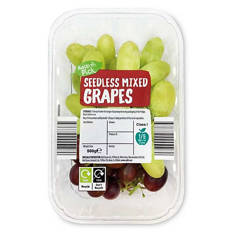
- Grapes: pick bunches with plump, firm grapes and no loose/oozy ones at the base.
2) Go for flavour using simple signals
- Smell matters: fruit that smells fragrant at the fruit level is usually closer to peak taste.
- Colour is a guide (not the only rule): rich colour often signals ripeness, but texture should confirm it.
- Avoid wateriness: excessive wetness can mean the fruit is past its best—this can reduce great freshness.
3) Taste timing: buy for today vs later
- For today: choose fruit at peak firmness and colour (slight give, fresh smell).
- For later: pick slightly less ripe fruit (especially bananas, mangoes, stone fruit) so it ripens on your schedule.
4) Use seasonal availability to your advantage
- In season = best taste + best value: fruit tends to be juicier and more consistent when it’s local/seasonal.
- Expect variety to change: if you don’t see your favourite item today, it may return when that season’s supply starts again.
- Plan around promotions: seasonal displays are often the freshest and best-tasting options.
5) Buy smart for freshness
- Handle gently, don’t stack crushable fruit under heavier items.
- If you find one damaged piece in a punnet/bunch, remove it—overripe fruit can affect the rest.
Brief Guide: How to Find and Compare Grocery Offers Across Stores & Apps
Start with your essentials list
Write 10–20 items you buy regularly (e.g., milk, pasta, fresh fruit). This makes comparisons fast and prevents “deal-chasing.”
Check the unit price, not just the label price
Compare price per kg / per litre / per 100g. A bigger pack can look cheaper but be worse value—unit pricing shows the truth.
Use app filters to narrow offers
Look for filters like discounts, offers, store pickup/delivery, and your preferred brands to avoid irrelevant deals.
Compare like-for-like deals
Match products by size, brand, flavor, and pack type (e.g., same grams, same variety). Cross-brand or cross-size comparisons can be misleading.
Factor in extra costs
When comparing apps, consider delivery fees, minimum spend, service fees, and any subscription cost.
Watch for “headline” prices
Some promos apply only with conditions (e.g., spend thresholds, multi-buy deals, coupons, or loyalty cards). Always confirm the requirements.
Check expiry and best-by dates
For fresh items, a deal is only good if it won’t expire immediately—great value depends on usability, not just price.
Verify the deal in your basket
Add items to the basket/cart to confirm the discount applies correctly (sometimes offers only show at checkout).
Keep a quick comparison snapshot
Note the best unit price and total basket cost for your essentials. Over time you’ll see which store/app truly gives the best value.
Choose the best mix
Sometimes one store is best for basics (unit price), and another is best for promotions. Compare the total you’ll pay, not just single-item savings.