
ALDI Garden Shop, for all of your gardening supplies
Join us at our garden shop event for unbeatable value, featuring exclusive discounts on a variety of plants and gardening essentials across multiple sale dates! At ALDI, we offer a wide range of garden supplies, from plants to greenhouse accessories and landscaping supplies.
Whether you're a seasoned gardener or just starting, you're sure to find something special to enhance your green space.
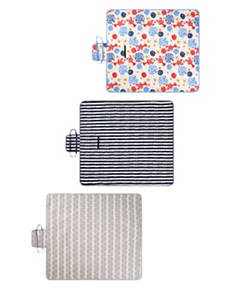
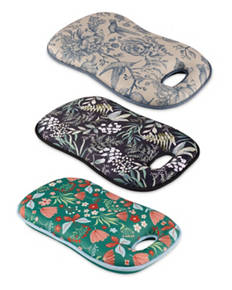
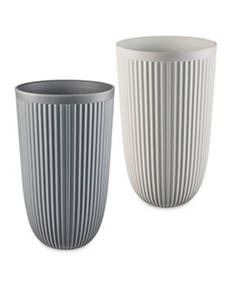
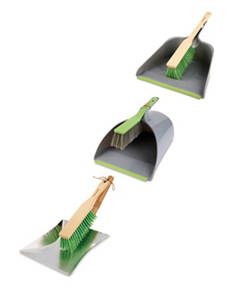
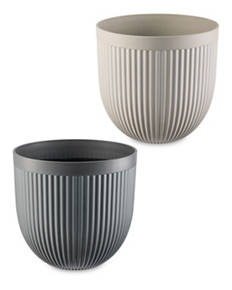
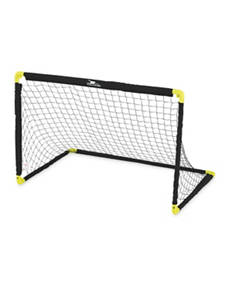
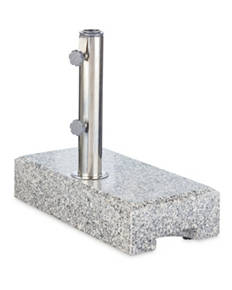
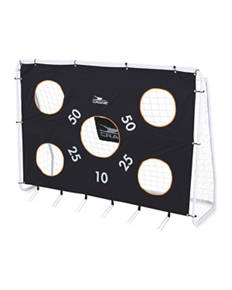
Get that Garden ready!
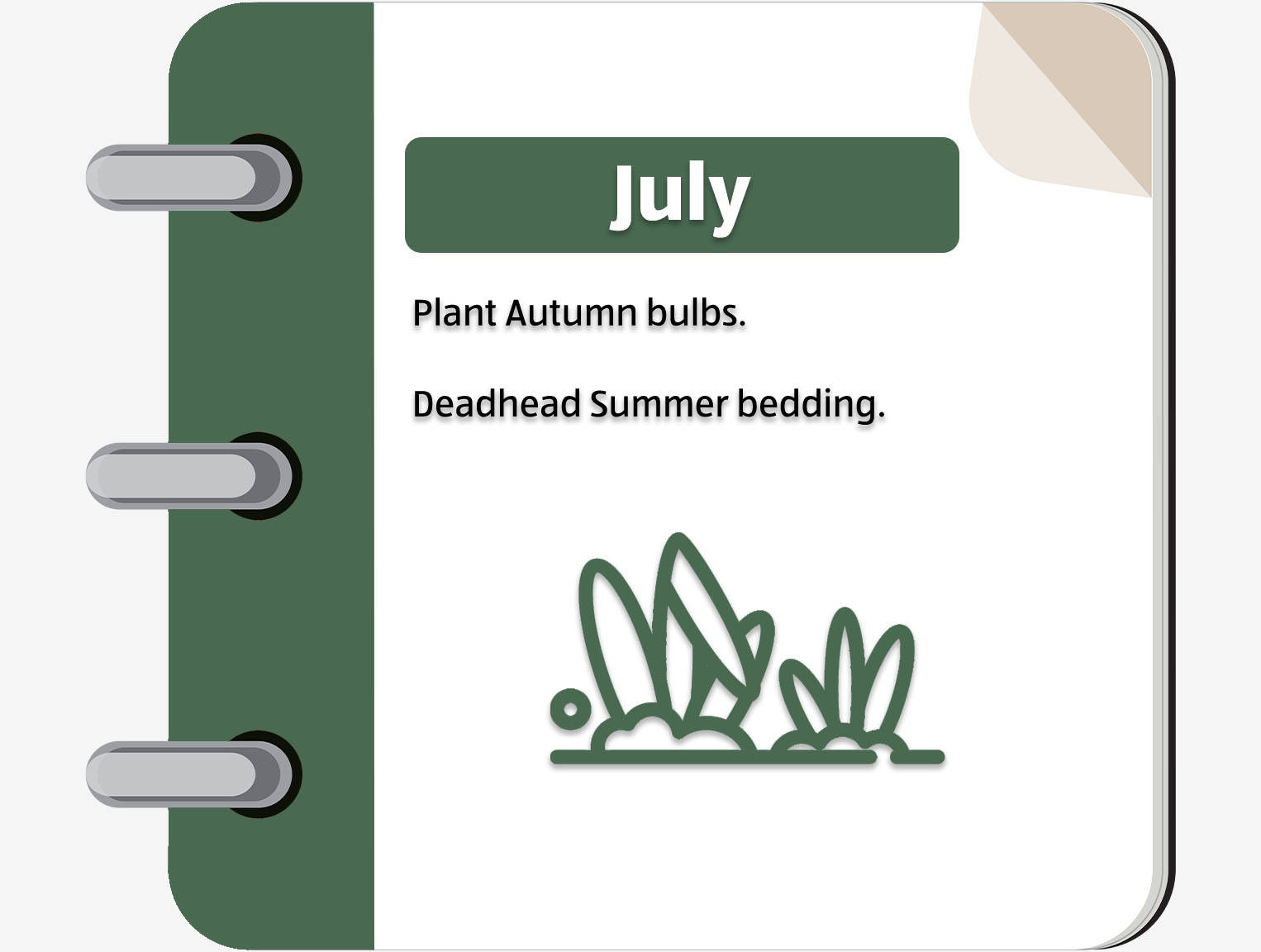
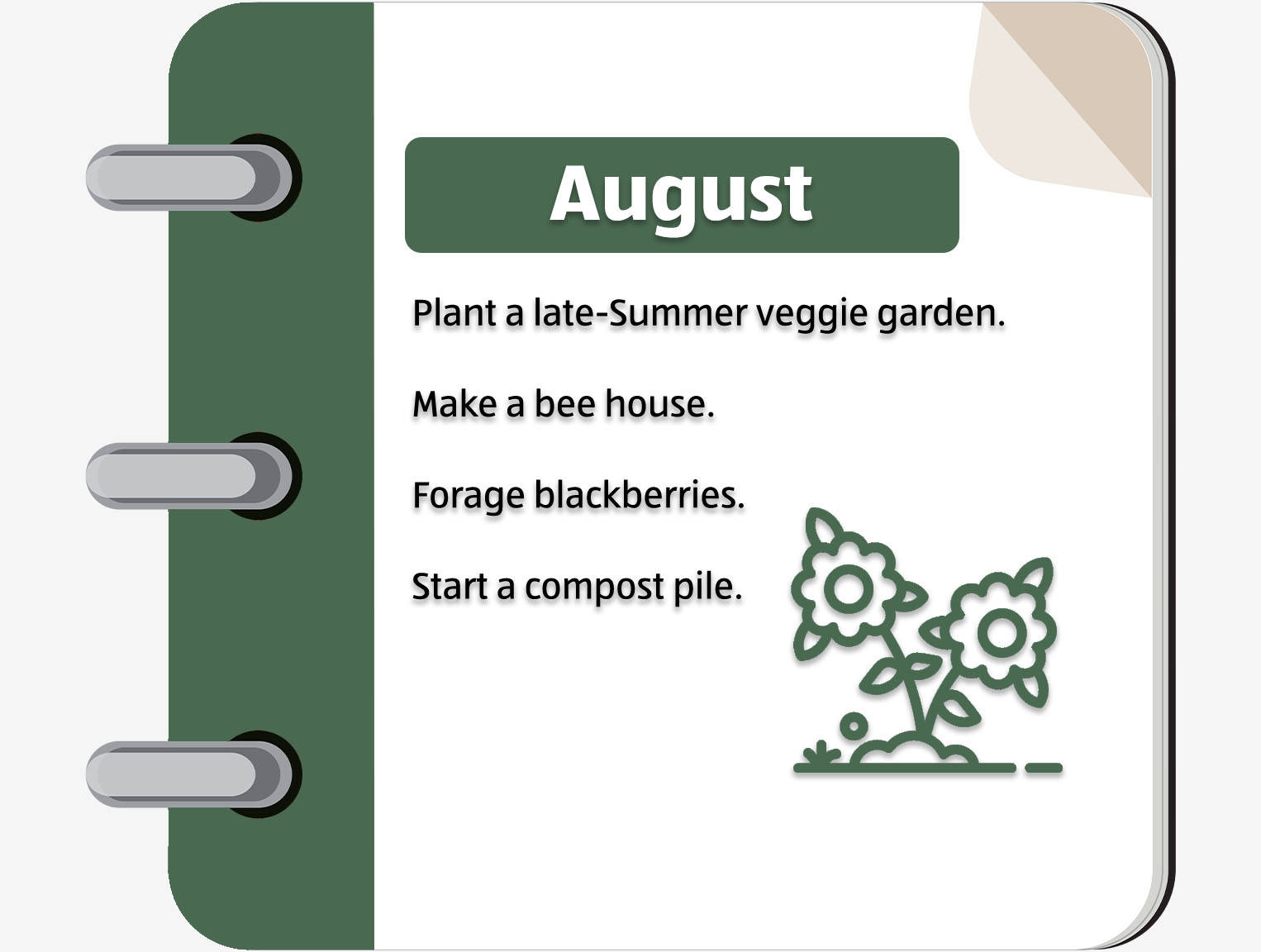
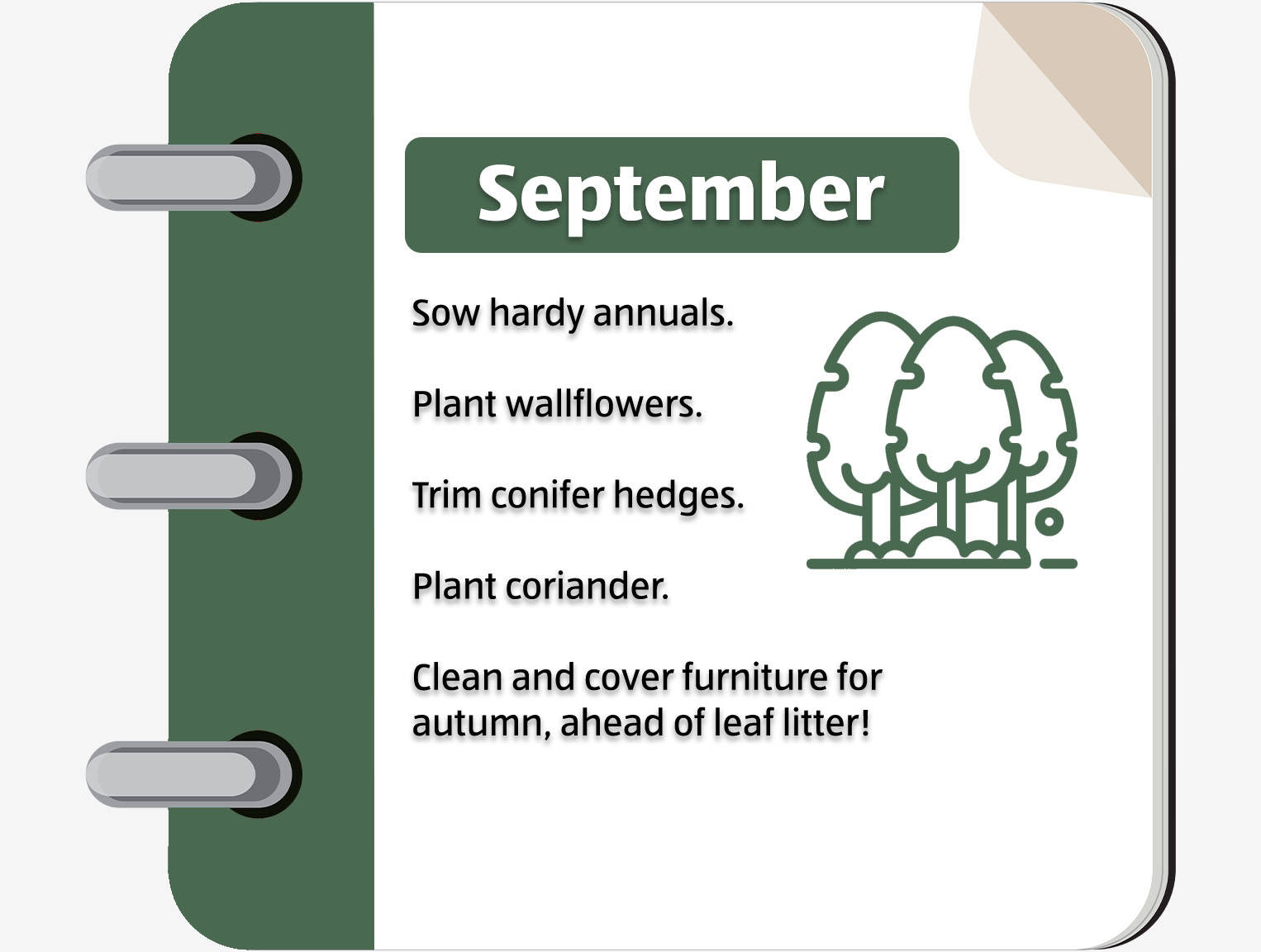
More at Aldi




Frequently Asked Questions about our garden store
Choosing garden furniture for different spaces, materials, and year-round weather resistance
1) Match furniture to your space
- Small patios/balconies: choose folding or stackable chairs, bistro sets, or narrow dining sets.
- Large gardens: look for modular seating (so you can rearrange) and sectional-style layouts.
- Narrow areas/paths: use bench seating or slim dining sets for easier movement.
- Entertaining zones: prioritize comfort + seating capacity (sofa benches/sets) and add a side table.
- Sunny spots: consider shade-friendly options (e.g., lighter colours that don’t heat up as much, and include a parasol).
2) Pick materials for weather resistance
Best for year-round exposure
- Teak / hardwood (treated): naturally durable; benefits from occasional oil/seal.
- Aluminium (powder-coated): rust-resistant, lightweight, low maintenance; cushions still need protection.
- Stainless steel or coated steel (quality finish): strong but check coating quality and drainage.
Good but usually needs protection
- Wicker/rattan (synthetic resin): great for patios; choose UV-resistant and keep cushions covered.
- Polywood/plastic composites: resistant to fading/rot; check for UV stability and scratch tolerance.
Use caution outdoors
- Natural rattan: often needs storage/cover and may degrade faster in wet winters.
- Uncoated steel: can rust without proper finishing/maintenance.
3) Look for “all-weather” features
- Cushions: choose quick-dry foam and removable, washable covers.
- Covers: use breathable covers (not fully airtight) to reduce mildew.
- Drainage: tables/chairs should have water-shedding design (no deep traps).
- Fasteners: stainless or corrosion-resistant hardware matters for longevity.
4) Quick buying tips by season
- Wet/cold regions: prioritize aluminium/teak/synthetic and cover cushions.
- Hot/sunny areas: choose UV-resistant materials and consider lighter/heat-tolerant finishes.
- Windy spots: heavier sets or items designed to anchor are more stable.
5) Simple care routine
- Before winter: clean, dry thoroughly, and cover or store cushions.
- Ongoing: wipe down regularly; check for loose screws and re-seal wood if needed.
Selecting outdoor play equipment for different ages, garden sizes, and safety needs
1) Choose by age (key guideline)
- Toddlers (approx. 1–3): low-height activities (playhouses, small slides, activity panels), large stable bases, minimal small parts.
- Young children (approx. 3–6): mini slides, climbing frames with age-appropriate heights, swing seats sized for small bodies, simple obstacle areas.
- Older kids (approx. 6–12): more challenging climbing frames, larger swings, slides, balance beams, and bigger activity sets—ensure adequate clearance.
- General tip: always match maximum user age/weight and avoid equipment that’s too advanced for the child.
2) Match equipment to your garden size
- Small gardens: choose compact items (a single swing, small slide, play table, or a small climbing wall). Prioritize clear walking space.
- Medium gardens: consider multi-activity sets with good layout—create a clear play zone plus a “safe circulation” path.
- Larger gardens: you can add multiple zones (climbing area + swing area + ball games) with space between them.
3) Prioritise safety (most important)
- Impact-absorbing surface: aim for suitable ground cover (e.g., safety surfacing or proper depth of protective material) under climbing/swings/slides.
- Clear fall zones: leave extra space around and in front of equipment—especially where children could fall.
- Stability: look for equipment with secure anchoring and a wide, stable base.
- Edge and pinch protection: smooth finishes, covered hardware, and no sharp protrusions.
- Safe heights + supervision: the taller/fast-moving the equipment, the more supervision and surface protection you’ll need.
4) Practical checks before buying
- Weather resistance: outdoor-rated materials and corrosion-resistant hardware.
- Assembly quality: sturdy construction, correct instructions, and parts that fit tightly.
- Maintenance: check regularly for loose bolts, worn surfaces, damaged steps/rails, and fraying ropes.
5) Create a simple safety setup
- Mark a play area (and keep pets out if needed).
- Store away small accessories when not in use.
- Consider a bigger “active zone” rather than cramming multiple items too close together.