
Bakery




All Bakery Items

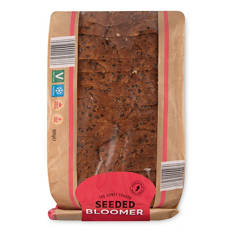
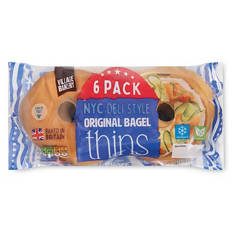
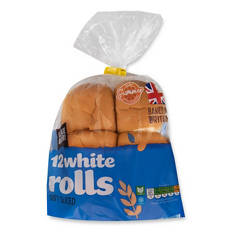
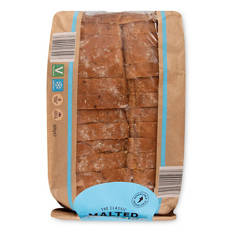

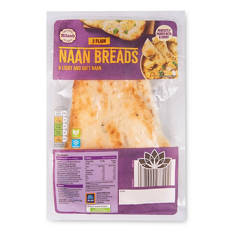
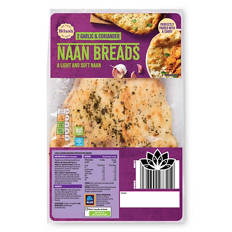
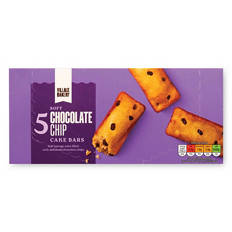


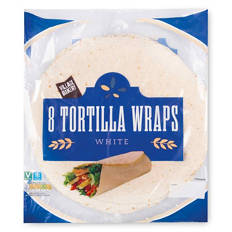




Frequently Asked Questions about Bakery products at Aldi
Bread Fundamentals
1) Ingredients (the “building blocks”)
- Flour: Provides structure (especially wheat via gluten).
- Water: Hydrates flour and helps dough become workable.
- Salt: Improves flavour and strengthens gluten; helps control fermentation.
- Yeast (or starter): Creates gas for rise.
- Optional: Sugar (feeds yeast, speeds browning), fats/oils (soften crumb), milk (richer flavor), seeds/whole grains (add flavour + absorb water).
2) Dough Development (how structure forms)
Dough development is about building strength so the bread can expand and hold shape.
- Gluten formation: Achieved through mixing and kneading (or time + folds in “no-knead/low-knead” styles).
- Fermentation effect: During bulk fermentation, yeast produces gas and dough becomes more extensible (easier to shape).
- Hydration matters: Higher hydration usually yields a more open crumb but can be stickier.
3) Kneading (building strength)
- Purpose: Align and develop gluten strands for elasticity.
- How it feels: Dough becomes smoother, less sticky, and more elastic.
- Common methods:
- Traditional kneading: 8–12 minutes by hand (varies by recipe).
- Mixer method: Mix until dough is smooth and elastic.
- Stretch & fold: Short rest intervals with gentle pulling/folding (less hand-knead, great for high-hydration doughs).
Tip: Don’t rely only on time—look for “smooth + elastic” rather than a fixed number of minutes.
4) Proofing (final rise before baking)
Proofing allows the dough to expand and become ready for the oven.
- Bulk fermentation: First rise after mixing; dough grows and flavour develops.
- Final proof: After shaping; dough relaxes and puffs up again.
- How to tell it’s ready (simple check):
- Poke test: Gently press the dough with a finger—if the indentation springs back slowly, it’s usually ready. If it springs back fast, it needs more time; if it doesn’t spring back, it may be over-proofed.
Important: Proofing temperature matters—warmer = faster, cooler = slower (often better flavour).
Cake Fundamentals
1) Definition
A cake is a baked sweet or dessert food made by combining flour, fat, sweeteners, liquid, and leavening (such as baking powder/soda or whipped air). Heat sets the batter into a tender, structured crumb.
2) Core Ingredients (What they do)
- Flour (structure): Provides the framework. All-purpose flour is common; cake flour gives a finer, softer crumb.
- Sugar (sweetness + texture): Helps tenderness, browning, and moisture retention.
- Fat (tenderness + richness): Butter, oil, or shortening keep the cake soft. Butter adds flavour.
- Eggs (binding + lift): Provide structure (proteins) and sometimes extra lift (whipped eggs).
- Leavening agent (rise):
- Baking powder (double-acting) reacts during mixing and baking.
- Baking soda needs an acid (e.g., buttermilk, yogurt, lemon juice).
- Liquid (moisture + mixing): Milk, water, buttermilk, yogurt, etc. influences crumb and flavour.
- Flavourings & additions: Vanilla, cocoa, fruit, nuts, chocolate—often fold in gently.
3) Mixing Methods (Key idea: control air + gluten)
- Creaming method (butter + sugar):
- Beat fat and sugar until fluffy to trap air. Add eggs, then dry ingredients. Best for classic layer cakes and many sponges (with variations).
- Whisking/whipping eggs (sponge-style):
- Whip eggs (sometimes with sugar) to incorporate lots of air; then gently fold in flour. Great for lighter sponge cakes.
- “Muffin method” (quick mix):
- Mix dry and wet separately, then combine briefly. Minimizes gluten development for tender cakes and muffins.
- All-in-one method:
- Add ingredients in order and mix until just combined—common for simple cakes; don’t overmix.
Rule of thumb: Mix until just combined once flour is added—overmixing can make cakes tough.
4) Baking Techniques (Getting the best rise + even bake)
- Oven temperature matters: Preheat fully. Most cakes bake around 160–180°C / 325–350°F depending on recipe.
- Pan prep: Grease and line the base (parchment helps release). Too little prep can cause sticking and uneven rising.
- Don’t open the oven early: Opening early can collapse leavening-built structure.
- Check doneness correctly:
- Toothpick comes out clean or with a few moist crumbs (not wet batter).
- Top should spring back lightly.
- Cooling: Let cakes cool in the pan briefly (often 10–15 minutes), then move to a rack. Cooling helps the crumb set.
Popular Bread Styles
1) Sourdough
- What it is: Bread leavened by a natural starter (wild yeast + bacteria).
- Key traits: Tangy flavour, chewy crumb, good keeping quality.
- Typical process: Feed starter → mix dough → ferment (often long, bulk fermentation) → shape → final proof → bake with steam.
- Best for: Toasting, sandwiches, people who like bold, complex flavour.
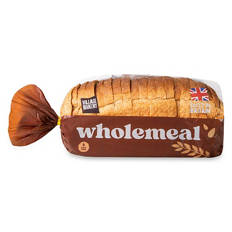
2) Wholemeal Bread (Whole Wheat)
- What it is: Bread made with wholemeal/whole wheat flour (includes the bran).
- Key traits: Nutty flavour, denser crumb, more moisture absorption.
- Typical process: Combine flour with water (often a short rest/soak helps), knead/ferment, shape, bake.
- Best for: Everyday sandwiches, fibre-forward meals.
3) Focaccia
- What it is: An Italian flatbread/bready cake, often topped with oil and seasonings.
- Key traits: Soft inside, crisp golden top, dimpled surface.
- Typical process: Stretch-and-fold or gentle knead → proof → “dimple” with fingers → drizzle olive oil → add toppings → bake.
- Common toppings: Olive oil, rosemary, flaky salt, cherry tomatoes, garlic.
4) Baguette
- What it is: A long, crusty French bread with a light, airy crumb.
- Key traits: Deep golden crust, chewy interior, “singing” crackling when cooled.
- Typical process: Mix and ferment dough → shape into long logs → final proof (careful handling) → bake with steam.
- Best for: Dipping in olive oil, sandwiches, serving with soups.
5) Rye Bread
- What it is: Bread made primarily with rye flour (sometimes mixed with wheat).
- Key traits: Strong flavour (earthy), darker colour, moist/hearty crumb.
- Typical process: Rye dough is often stickier and may rely more on fermentation than structure from gluten.
- Best for: Pairing with hearty toppings like cheeses, pickles, cured meats.